Wedding flowers for St John Upper Norwood and SE19 venues
Posted on 11/10/2026
Planning Wedding flowers for St John Upper Norwood and SE19 venues is one of those jobs that looks simple from the outside, and then suddenly you are thinking about aisle spacing, buttonholes, delivery timing, rain plans, and whether white roses will still look crisp after a warm church service. Truth be told, flowers do a lot of quiet work at a wedding. They set the mood, soften the room, and pull the whole day together without shouting for attention.
If you are arranging flowers for a ceremony in or around St John Upper Norwood, or for a reception anywhere in SE19, the best results usually come from a calm, venue-aware plan. This guide walks through what matters, how the process works, the styles that tend to suit local spaces, and the mistakes worth avoiding. You will also find practical examples, a checklist, and a few real-world tips that make decision-making much easier.
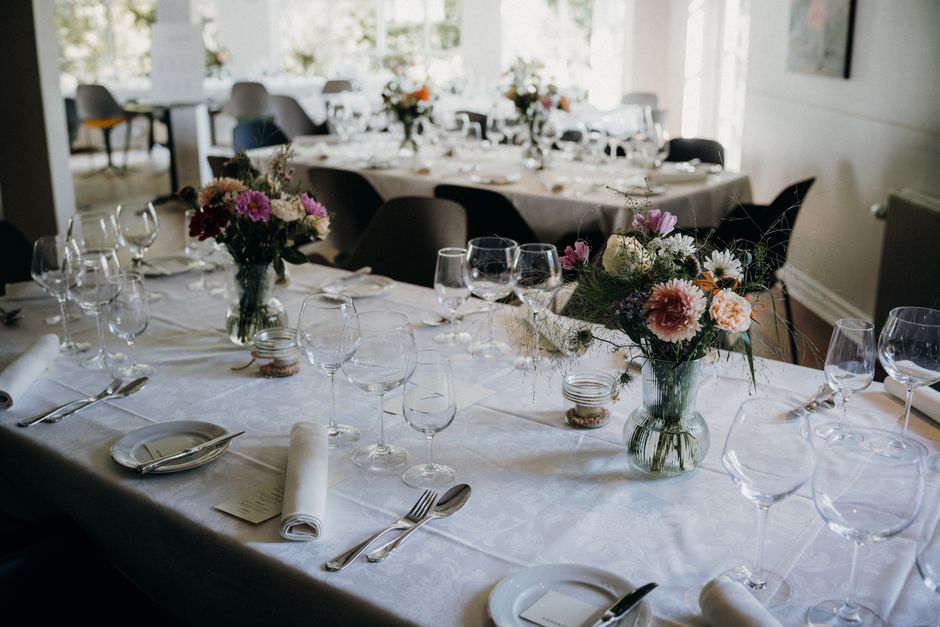
Why Wedding flowers for St John Upper Norwood and SE19 venues Matters
Flowers are never just decoration at a wedding. They guide the eye, shape the atmosphere, and help a venue feel personal rather than borrowed. In St John Upper Norwood and the wider SE19 area, that matters even more because local wedding spaces can vary a lot: church interiors, intimate function rooms, heritage-style settings, community halls, and modern rooms with bright daylight all need slightly different floral treatment.
A bouquet that feels perfect in photos can still fail if it is too large for the room, too delicate for transport, or too pale for a darker interior. Likewise, a dramatic installation might look beautiful in theory but feel oversized in a compact aisle or on a modest top table. That is why local venue knowledge counts. A florist who understands scale, timing, access, and delivery flow can save you from those awkward little surprises on the day. And let's face it, nobody wants to be wrestling with ribbons and water vials five minutes before the registrar arrives.
There is also a practical side. Wedding flowers need to hold together across several parts of the day: getting ready, ceremony, photographs, meal service, and dancing later on. In SE19 venues, especially where space is shared or turnaround times are tight, the design has to be beautiful and efficient. The flowers should travel well, install quickly, and still look fresh when the room fills with guests and a hundred cameras start flashing.
Expert summary: the best wedding flowers for St John Upper Norwood and SE19 venues are not simply the prettiest ones. They are the ones that suit the space, the timetable, the season, and the couple's style without creating extra stress.
How Wedding flowers for St John Upper Norwood and SE19 venues Works
The process usually starts with the venue and the overall wedding plan, not the flowers themselves. That sounds backwards, but it works. First comes the setting: church, hall, restaurant, marquee, private house, or another local venue. Then comes the practical rhythm of the day: ceremony time, arrival window, photography, dining, and how long the flowers need to last before the final moments.
From there, the florist will normally think in layers. Personal flowers come first: bridal bouquet, bridesmaid bouquets, buttonholes, corsages, flower girl pieces. Then ceremony flowers: altar arrangements, pew ends, pedestal displays, aisle touches, or any focal piece near the front. After that come reception flowers: table arrangements, entrance pieces, bar styling, cake table flowers, and any extra installation if needed.
In a local setting like SE19, delivery logistics matter more than people expect. Parking can be awkward, loading access may be limited, and some venues work to tight arrival slots. A good plan allows time for unpacking, final water checks, and a little breathing room. Flowers are forgiving, but not infinitely so. If you have ever watched a bouquet being re-tied in a car park while someone calls, "We are nearly ready!", you will know exactly what I mean.
Design itself is usually shaped by three things:
- Style: classic, romantic, modern, rustic, botanical, or luxury.
- Colour palette: whites and greens, soft blush tones, deep reds, mixed seasonal shades, or a more curated tonal scheme.
- Flower choice: roses, lilies, lisianthus, hydrangeas, alstroemeria, carnations, chrysanthemums, or a mixed florist's selection.
For couples planning in St John Upper Norwood, a church or traditional ceremony often suits elegant, structured arrangements. For a reception in a more contemporary SE19 venue, a looser, more natural look can feel fresher and more relaxed. Neither is better. It is about fit.
Key Benefits and Practical Advantages
Well-planned wedding flowers do a lot more than look lovely in photos. They make the day feel intentional. That is the real benefit. When flowers match the setting, everything feels more settled, even if there is a bit of weather drama or the best man is late. They give guests a visual cue that this is not an ordinary Sunday lunch. It is a wedding. A special one.
Here are the biggest practical advantages:
- They create cohesion: the bouquet, table flowers, buttonholes, and venue styling all speak the same visual language.
- They improve photographs: a thoughtful palette gives the photographer depth, framing, and colour balance.
- They can soften different venue styles: plain rooms feel warmer, and ornate settings feel less crowded.
- They help the event flow: well-placed floral pieces guide guests from ceremony to reception.
- They can be scaled to budget: you do not need every surface covered to make an impact.
There is also a quieter advantage: flowers can reflect the couple without needing a speech to explain it. A clean white and green scheme feels very different from rich jewel tones or mixed seasonal blooms. Guests pick up on that instantly, even if they never say it out loud.
For local weddings, another practical win is flexibility. Many SE19 florists can adapt collections into ceremony-only, reception-only, or full-day styling. That means you can prioritise what matters most. If you want the aisle and bouquet to feel luxurious, you can spend there and keep the table flowers simpler. If the room is the main event, you can shift the budget into centrepieces and entrance arrangements instead.
Who This Is For and When It Makes Sense
This kind of planning makes sense for couples who want their flowers to feel polished without becoming another source of stress. It is especially useful if you are marrying at a church, local hall, restaurant, or function venue in the St John Upper Norwood and SE19 area and you want the flowers to look right in that exact setting.
It also suits people who care about photography, because flowers influence the visual rhythm of almost every key image. The bouquet appears in so many pictures, and table flowers fill the background more than people realise. If you are investing in a photographer, it makes sense to give them something beautiful to work with.
You may also benefit from a more structured flower plan if:
- you have a narrow turnaround between ceremony and reception
- you are working with a smaller room and need to avoid overcrowding
- you want flowers that can double up across ceremony and reception
- you prefer a seasonal look rather than a fully custom design from scratch
- you need practical guidance on what is realistic for the budget
Couples often ask whether they need a full floral package or just a few focal pieces. The honest answer is: it depends on the venue and the mood you want. Some spaces look complete with a strong bouquet, buttonholes, and two or three statement arrangements. Others need a bit more presence because the room is visually busy or very open. There is no universal rule, only a sensible fit.
Step-by-Step Guidance
If you want a smoother process, follow a simple sequence. It keeps decisions grounded and stops the plan from turning into a blur of Pinterest tabs and half-decided colour schemes. Happens to the best of us.
- Start with the venue: note the room size, ceremony layout, table shape, lighting, and access for delivery.
- Decide the floral priority: bouquet first, ceremony flowers first, or reception styling first?
- Choose a colour direction: keep it narrow enough to look intentional, especially in a small venue.
- Select seasonal flowers where possible: they often give better value and a more natural finish.
- Match the scale to the space: big rooms need volume; intimate spaces need refinement, not clutter.
- Confirm delivery timing: build in margin for traffic, parking, and setup.
- Plan reuse where sensible: ceremony flowers can often move to reception areas after the vows.
- Check vase, stand, or table needs: sometimes the flowers are perfect, but the display mechanism is the bit everyone forgets.
A good local florist will usually ask for a venue name, the ceremony time, the number of tables, and a sense of style before recommending specific flowers. If they ask practical questions, that is a good sign. It means they are thinking about the day, not just the stems.
For example, a St John Upper Norwood church ceremony in the morning followed by a nearby reception in SE19 might work well with a bouquet, two pedestal arrangements, several buttonholes, and table arrangements that can be moved after the ceremony. That approach keeps the look full without doubling the spend on separate displays for every moment.
Expert Tips for Better Results
Small decisions make a big difference. That is especially true with wedding flowers, where the eye notices balance before it notices the individual blooms. Here are the practical tips that usually help most.
- Think about the room's natural light. Soft pastel flowers can look exquisite in daylight, but in a dimmer venue they may need stronger contrast to avoid disappearing.
- Use one "hero" element. Let the bouquet, centrepieces, or ceremony focal piece lead the design rather than trying to make every element equally dramatic.
- Repeat shapes, not just colours. Round bouquets, rounded centrepieces, or trailing accents can create a gentler flow.
- Ask for photos from the venue if you cannot visit. Even a few snapshots of the ceremony space help with scale.
- Keep transport simple. Complex installations are lovely, but if access is awkward they can create more stress than joy.
One of the best practical moves is choosing flowers that already suit your personality and not just the internet's idea of a "wedding look." If you love clean white roses, go with them. If you want a richer palette, use it confidently. Guests can tell when a couple has chosen flowers that feel like them.
Another tip: ask how the flowers will look at 10 a.m., 2 p.m., and 7 p.m. Not just at the moment they are delivered. Some arrangements are built to open up through the day, which is lovely. Others are designed to look sharp from the first minute. Both are valid, but it helps to know which you are buying.
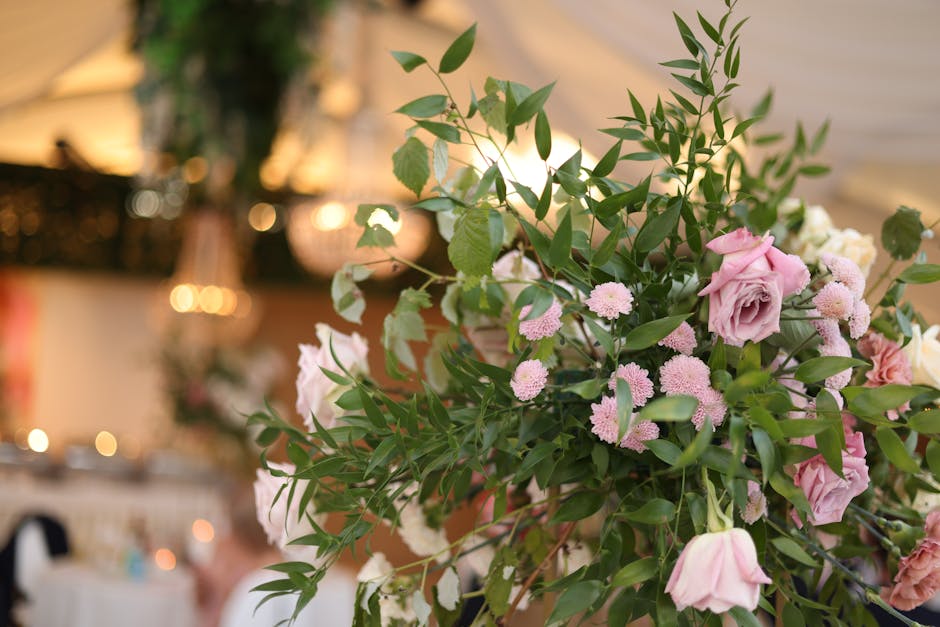
Common Mistakes to Avoid
People tend to make the same few mistakes, and nearly all of them are avoidable with a bit of planning. The biggest one is starting with flower names instead of the venue. "I want peonies" is a nice thought, but if the wedding date and budget do not support it, you are setting yourself up for a compromise later on.
Other common issues include:
- Ignoring scale: tiny arrangements in a large hall can look lost; oversized pieces in a small room can feel crowded.
- Choosing too many colours: a wild mix can look cheerful in the bucket and confusing in the venue.
- Leaving delivery too late: flowers need setup time, and wedding mornings always move faster than expected.
- Forgetting buttonholes and corsages: these small items are easy to overlook, then scramble for at the last minute.
- Over-ordering ceremony flowers that cannot be reused: this is where budgets quietly slip away.
- Not checking the venue rules: some locations have limits on candles, hanging items, or where arrangements can be placed.
There is also a subtle mistake people make: trying to make flowers do every job. They do a lot, yes. But they are not there to solve every styling issue. A clean layout, good table settings, and a sensible colour scheme all help the flowers look better. It is a team effort, really.
Tools, Resources and Recommendations
You do not need fancy planning software to get wedding flowers right, but you do need a few useful tools and a clear way of thinking. A simple venue floor plan, a guest table count, and a colour reference can go a long way.
Useful things to gather before speaking to a florist:
- venue name and full address
- ceremony time and reception time
- table layout, if known
- bridal party numbers
- clear photos of dress, suit, or colour palette
- any flower dislikes, allergies, or cultural preferences
- budget range, even if it is approximate
If you are looking for inspiration within the same local area, the wider SE19 flower pages can help you understand style and service options. For example, the main wedding flowers in Crystal Palace SE19 page is useful for exploring how wedding florals can be structured around local venues, while the wedding collection gives a sense of bouquet and arrangement styles that can be adapted to different plans. If you need a broader look at the florist itself, the about us page helps build confidence in the people behind the flowers.
For couples who want very specific product ideas, these can be especially helpful:
- bridal bouquet ideas
- bridesmaid bouquet options
- buttonholes for the wedding party
- table arrangements for the reception
- corsages for guests or family members
These pages are useful because they show how different elements can work together without overcomplicating the day. If you like the look of one piece, you can often build a more complete scheme around it.
Law, Compliance, Standards, or Best Practice
For most couples, wedding flowers are not heavily regulated in the way some other services are. Even so, best practice matters. Venues often have their own rules about access times, structure placement, tape or fixings, and whether anything can be attached to walls, pews, or furniture. A florist should always check those details before setup. That is not just good manners; it avoids last-minute changes that nobody wants.
There are also practical standards worth thinking about:
- Freshness and handling: flowers should be kept in water or appropriate packaging until installation.
- Safe transport: arrangements need to be secured so they do not tip or bruise in transit.
- Venue protection: surfaces should be protected from water, staining foliage, or loose stems.
- Responsible sourcing: many couples now prefer seasonal or lower-impact choices where possible.
- Clear communication: delivery windows, setup responsibilities, and collection of hire items should be agreed in advance.
If you are using floral foam, wires, ribbons, candles, or display frames, the design should be suitable for the setting and handled responsibly. Different venues may have different expectations about fire safety and decorative fixings, so it is sensible to confirm those points early. In simple terms: ask first, style second. It saves trouble.
From a customer-service perspective, written confirmation of what is included is always a good idea. That can cover flower types, colour direction, delivery, installation, and what happens if a specific bloom is unavailable. Weather, seasonality, and supply can all affect final substitutions, and a trustworthy florist should explain that clearly.
Options, Methods, or Comparison Table
Different wedding flower approaches suit different venues and budgets. If you are trying to decide where to place your spend, this comparison should help.
| Option | Best for | Strengths | Possible downside |
|---|---|---|---|
| Minimal personal flowers only | Small ceremonies or tight budgets | Clean, affordable, simple to manage | May feel light in larger rooms |
| Ceremony-focused design | Churches and focal-front layouts | Strong visual impact during vows and photos | Less presence at the reception unless repurposed |
| Reception-focused design | Dining-heavy weddings and evening venues | Makes the room feel complete and polished | Less ceremony drama if the aisle is plain |
| Full-day floral styling | Couples wanting a cohesive finish throughout | Most seamless look from start to finish | Highest spend and more planning needed |
| Reusable flower plan | Practical weddings with limited setup time | Good value and less waste | Requires careful scheduling and design |
In many SE19 weddings, a reusable plan is the sweet spot. Ceremony arrangements can move to the reception tables, and the bouquet can tie the visual story together. Not every flower needs to have its own moment in the spotlight.
Case Study or Real-World Example
Here is a realistic example from the kind of planning that works well locally. A couple booked a morning ceremony near St John Upper Norwood and then moved on to a reception venue elsewhere in SE19. They wanted something elegant, not overdone, and they were keen to keep things calm.
The flower plan was simple but effective: a white and green bridal bouquet, matching bridesmaid bouquets, buttonholes for the groom and close family, and a set of table arrangements that could be moved from ceremony to reception after the vows. The ceremony room was fairly traditional, so the florist used slightly fuller shapes at the front to give the room presence without blocking sightlines. Later, the same flowers were reworked onto guest tables and the top table. No fuss. No wasted pieces.
What made it work was not extravagance. It was timing and proportion. The couple gave clear photos of the venues, agreed on a short colour palette, and kept the order focused on the parts of the day guests would actually spend time in. By late afternoon, when the light softened and the tables were set, the flowers looked calm and natural rather than staged. That is the trick, really.
Another small detail helped: they asked the florist to use varieties that would hold shape well through the day. That meant fewer worried glances at wilting stems and more time enjoying the speeches. A small thing, but those small things matter.
Practical Checklist
Use this as a quick planning sheet before you confirm your flowers.
- Have I chosen the venue and confirmed the ceremony time?
- Do I know which flowers are for the bouquet, ceremony, and reception?
- Have I decided on a colour palette with enough clarity?
- Have I checked the venue for access, delivery, and display rules?
- Do I know whether arrangements can be reused later in the day?
- Have I included buttonholes, corsages, and any family flowers needed?
- Have I considered the season and whether my favourite flowers are likely to be available?
- Have I shared dress or decor photos with the florist?
- Is my budget clear enough to guide the design?
- Have I asked how the flowers will be transported and installed?
- Do I know what happens if a flower variety is unavailable?
- Have I left enough time for delivery before guests arrive?
If you can tick off most of those points, you are in good shape. No need to overcomplicate it.
Conclusion
Wedding flowers for St John Upper Norwood and SE19 venues work best when they are chosen with the venue, the schedule, and the couple's style in mind. That is the real secret. Not just beautiful flowers, but beautiful flowers in the right place, at the right scale, and with the right amount of breathing room.
Whether you want a classic church look, a softer reception style, or a full-day floral story that carries through from aisle to table, the smartest plan is always the one that feels calm and realistic. Keep the design focused, ask practical questions, and let the venue guide the scale. The result is usually better than people expect, and far less stressful than they fear.
If you are at the stage where you are comparing styles, working out quantities, or just trying to picture how everything will come together, take a breath. You do not need to solve the whole wedding in one go. Start with the venue, then the key flowers, then the rest falls into place.
Get a free quote today and see how much you can save.
And when the day comes, with the flowers in place and the room finally quiet for a moment, you will be glad you chose with care.
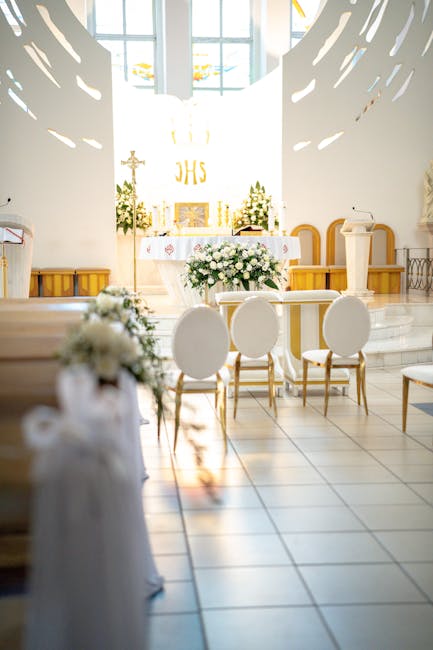
Frequently Asked Questions
What flowers work best for a wedding in St John Upper Norwood or SE19?
The best flowers depend on the venue, season, and look you want. Roses, lisianthus, hydrangeas, lilies, alstroemeria, and mixed seasonal blooms are all common choices because they can suit both classic and modern settings.
How far in advance should I book wedding flowers?
It is sensible to book as early as you can once your venue and date are fixed. That gives time to plan the colour palette, check availability, and make sure the florist understands the layout and access at the venue.
Can one floral design work for both the ceremony and reception?
Yes, often it can. Reusable arrangements are a smart option for SE19 weddings, especially when the ceremony and reception are close together. Pedestal pieces, table arrangements, and some aisle flowers can often be moved later in the day.
What should I budget for wedding flowers?
Budgets vary a lot depending on flower choice, quantity, season, and whether you need installation. A useful way to approach it is to decide what matters most first, then spend more on those items and keep secondary pieces simpler.
Do I need flowers for the church, the reception, or both?
That depends on the feel of the day. Some couples focus on the ceremony and the bouquet, while others want the reception to carry more of the visual impact. If the venue is already attractive, fewer flowers can be enough.
How do I choose a colour palette without overdoing it?
Pick two or three main tones and let the florist build around them. A tight palette usually looks more elegant than trying to include every favourite colour at once. There's a lot to be said for restraint.
What if my favourite flowers are out of season?
A good florist will suggest similar flowers that give the same mood or shape. That is often the better choice anyway, because seasonal flowers usually travel and hold better, and they may feel more natural in the arrangement.
Can wedding flowers be made to match the dress or decor?
Yes. Sharing fabric samples, photos of the dress, or even a swatch of the bridesmaids' outfits can help the florist match tone and texture more accurately. It is one of the simplest ways to improve the result.
What are the most common mistakes couples make with wedding flowers?
The biggest mistakes are choosing too many colours, ignoring scale, forgetting delivery timing, and not checking venue rules. Another common one is ordering flowers that cannot be reused, which can make the budget stretch unnecessarily.
Are buttonholes and corsages still worth including?
Usually, yes. They are small details, but they help the wedding party look coordinated. A few well-chosen buttonholes and corsages can make the whole event feel more complete without a huge extra spend.
How do I make sure the flowers arrive in good condition?
Ask how they will be transported, when they will be delivered, and how they will be kept fresh before setup. Good handling, sensible timing, and clear communication with the venue all make a real difference.
Can I keep the flowers simple and still have a beautiful wedding?
Absolutely. Simple does not mean plain. A well-chosen bouquet, a few focal arrangements, and a clean colour palette can look far more elegant than a crowded floral plan. Sometimes less really is more, even if that sounds a bit like a tired wedding phrase.


